
Why Tinning Stranded Wires Can Cause Problematic Connections
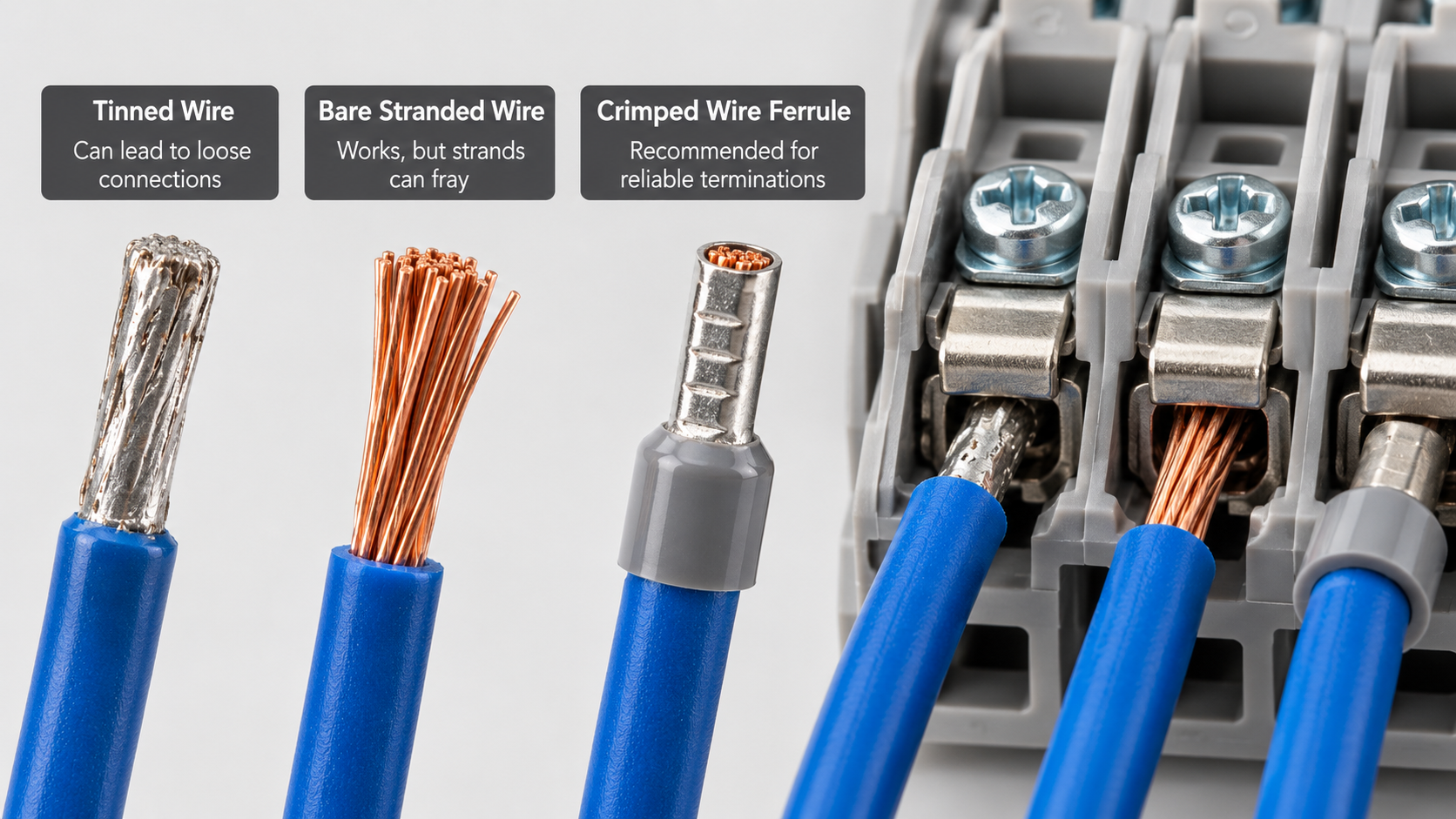
Coating the end of a stranded copper wire with solder may seem like a good way to prepare it for a screw terminal. The solder holds the individual strands together, prevents fraying, and makes the wire easier to insert. However, this practice can cause the connection to loosen over time, even when the screw was initially tightened correctly.
This is particularly relevant to screw terminal blocks used in control systems, printed circuit boards, and other electrical or low-voltage equipment. Understanding what happens to a solder-tinned conductor under pressure and changing temperatures helps explain why alternative termination methods are often preferred.
What Is Wire Tinning, and Why Is It Used?
In this context, tinning means applying molten solder to the exposed end of a stranded conductor. As the solder flows between the copper strands and then solidifies, it binds the strands into a more rigid end.
Technicians may do this because fine strands are difficult to guide into a small screw terminal. An untreated strand can bend outward instead of entering the terminal, potentially leaving exposed copper outside the clamp. Solder-tinning appears to make installation cleaner and easier, especially when wires are disconnected and reconnected repeatedly.
The problem is that a rigid, solder-filled wire end does not always behave well when a terminal applies prolonged mechanical pressure.
Why Solder-Tinned Wires Can Loosen in Screw Terminals
1. Solder fills the spaces between the copper strands
When a stranded wire is dipped in solder, solder flows into the spaces between its individual strands. Instead of the terminal clamping a flexible bundle of copper strands, it may be pressing against a combined mass of copper and solder.
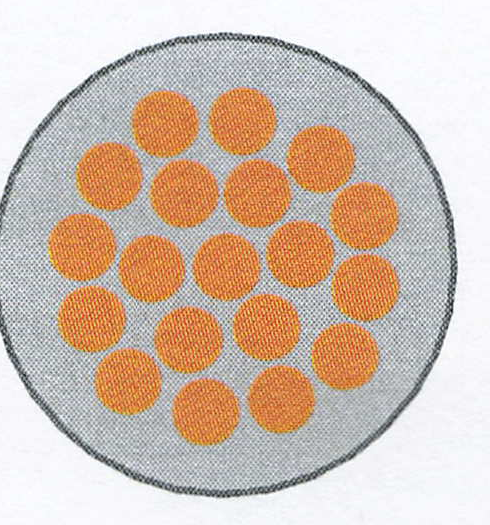
Cross-section of a solder-tinned stranded wire. Solder fills the gaps between individual copper strands.
This is the starting point of the problem. The solder becomes part of the material that must maintain a reliable mechanical and electrical connection under the terminal’s clamping pressure.
2. Clamping pressure can crack or deform the solder
As the screw is tightened, the terminal’s clamping mechanism compresses the solder-tinned end. According to Phoenix Contact’s technical explanation, the solder can crack and change shape, creating small voids between strands.
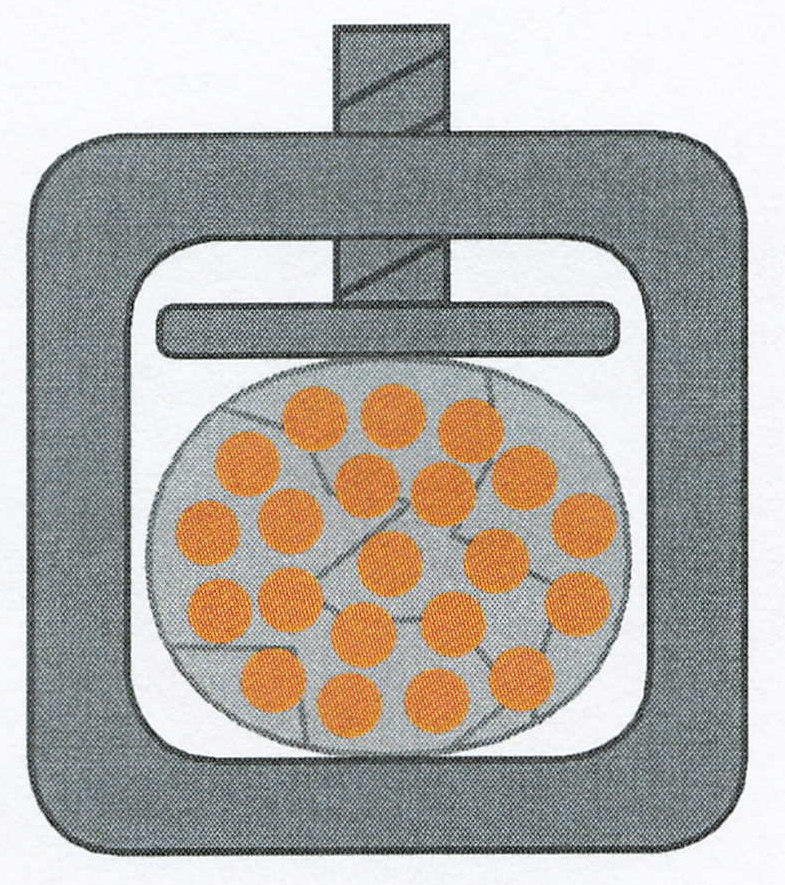
Figure 1. Compression at the screw terminal can fracture or deform solder around the copper strands.
The connection may feel secure at installation, but changes in the compressed solder can reduce how firmly the conductor is held. A properly tightened screw does not necessarily eliminate the underlying issue.
3. Heating causes the materials to expand
During normal operation, current flow and changes in ambient temperature can warm the wire and terminal. Copper, solder, and terminal components do not all expand at the same rate.
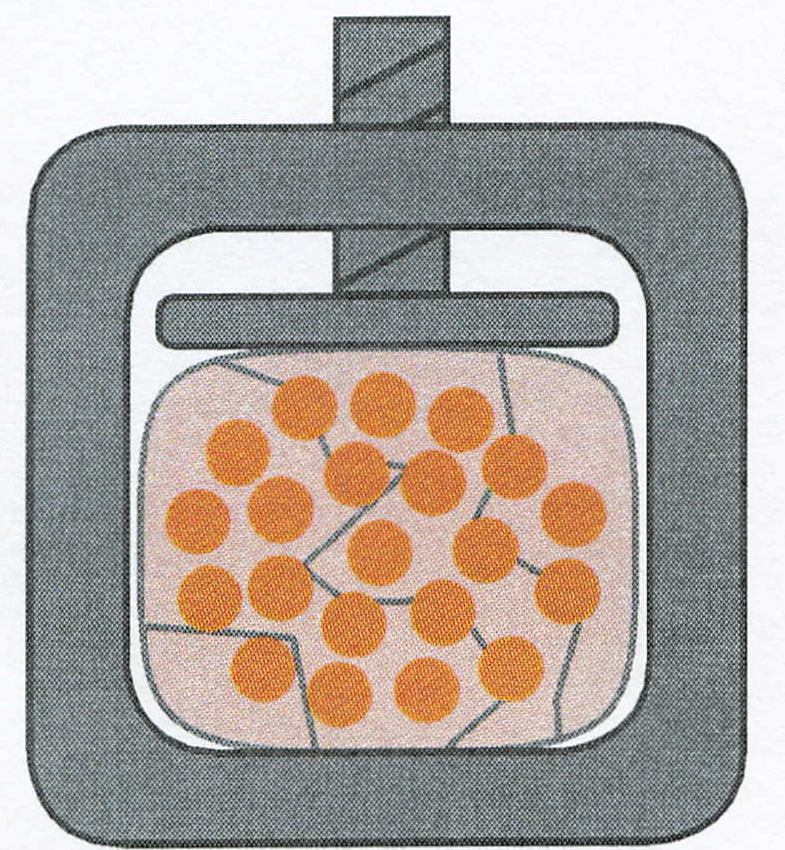
Figure 2. As the connection warms, the solder and surrounding metal components expand by different amounts.
This difference in thermal expansion can place additional stress on the solder-tinned connection and alter its shape while it is clamped.
4. Cooling can leave the connection less secure
When the wire cools, the materials contract. After repeated heating and cooling cycles, the solder-filled conductor may no longer fit under the terminal’s pressure plate exactly as it did when first installed.
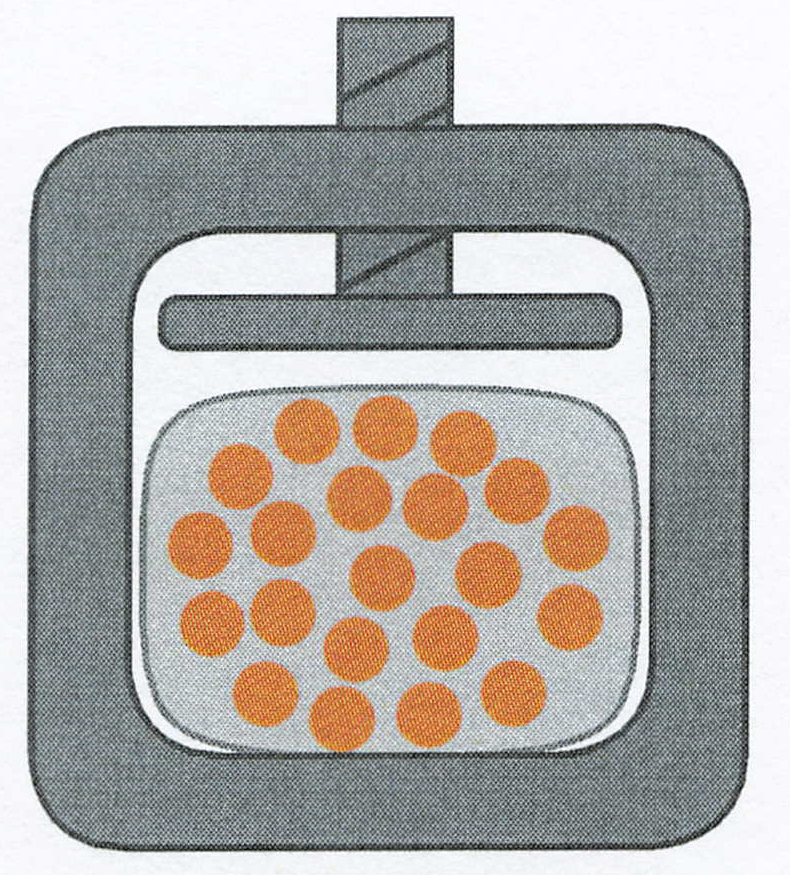
Figure 3. When the connection cools, contraction can leave less effective clamping pressure on the wire.
The result can be reduced contact pressure and an unreliable electrical connection. Depending on the circuit, that may contribute to intermittent operation, increased contact resistance, or localized heating.
Common Misconceptions About Tinning Wires
“Tinning always improves corrosion resistance”
Solder can coat exposed copper, but that does not guarantee a better connection inside a screw terminal. If clamping pressure decreases or the solder fractures, the contact may no longer remain sufficiently protected from the surrounding environment. Reliable contact pressure and an appropriate termination method are more important than simply coating the strands with solder.
“A tinned wire will fit any terminal designed for that wire size”
Adding solder increases the conductor’s effective diameter and changes its shape. In a small terminal, that added material may prevent full insertion or proper closure of the clamping mechanism. The conductor preparation must match what the terminal manufacturer permits.
Better Alternatives to Solder-Tinning
Bare stranded copper wire: When a terminal is rated for an unprepared flexible conductor, correctly stripped bare copper can be inserted directly. All strands must be contained within the clamp, with no stray strands or exposed copper beyond the permitted strip length.
Crimped wire ferrules: A ferrule is a metal sleeve mechanically crimped over the stripped strands. It keeps the strands together without filling them with solder, making repeated insertion easier in compatible terminals. Use a ferrule that matches the wire gauge, strip length, and connector specification, and crimp it with the correct tool.
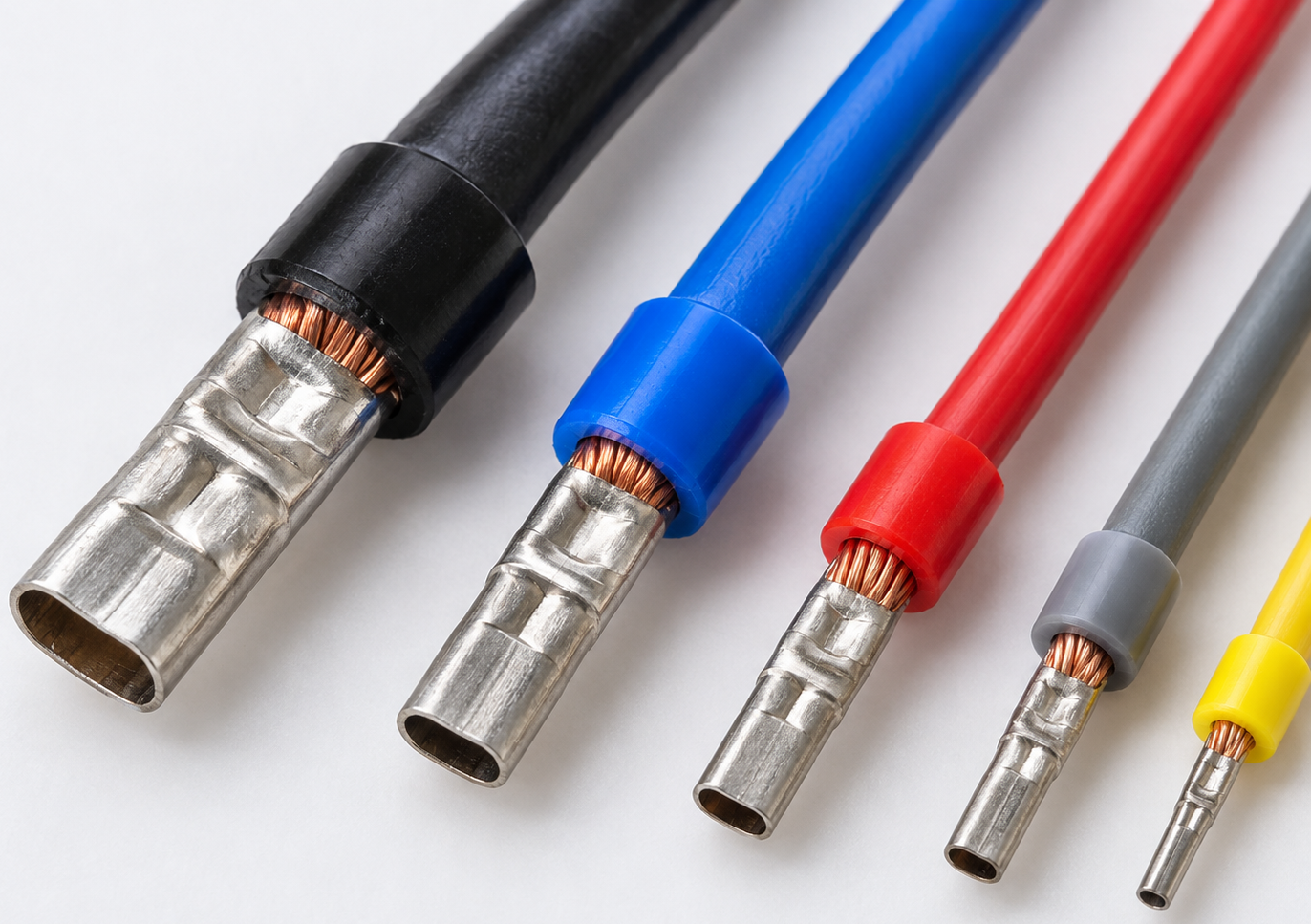
A tin-plated copper ferrule is not the same thing as an end that has been dipped in solder. Also, ferrules are not universally approved for every screw or spring terminal. Check the specific terminal’s documentation before using them.
Practical Tips for Reliable Screw Terminal Connections
- Check the manufacturer’s data sheet. Confirm whether the terminal accepts bare flexible wire, ferrules, or another specified conductor preparation.
- Use the specified stripping length. Too much exposed copper creates risk; too little can prevent a secure connection.
- Avoid solder-dipping the wire end unless the manufacturer explicitly permits it. Do not assume a tidy-looking soldered end is mechanically better.
- Tighten to the specified torque. Under-tightening can leave a loose connection, while over-tightening can damage the conductor or terminal.
- Inspect the completed termination. Make sure the conductor is fully seated, every strand is captured, and the wire is mechanically secure using the manufacturer’s recommended inspection method.