
Category Archives: IT Support
SIP Video Conferencing Calls Dropping After 15 Minutes: Causes and Solutions

When troubleshooting SIP-based video conferencing systems, one particularly frustrating problem is a call that connects successfully but disconnects after a consistent amount of time. In one case involving a video conferencing environment, SIP calls were dropping at approximately 15 minutes, despite establishing successfully. Initial troubleshooting suggested that the problem was related to SIP session timers, […]
TCP/IP vs. WSD Printer Ports: Differences, Setup, and Troubleshooting
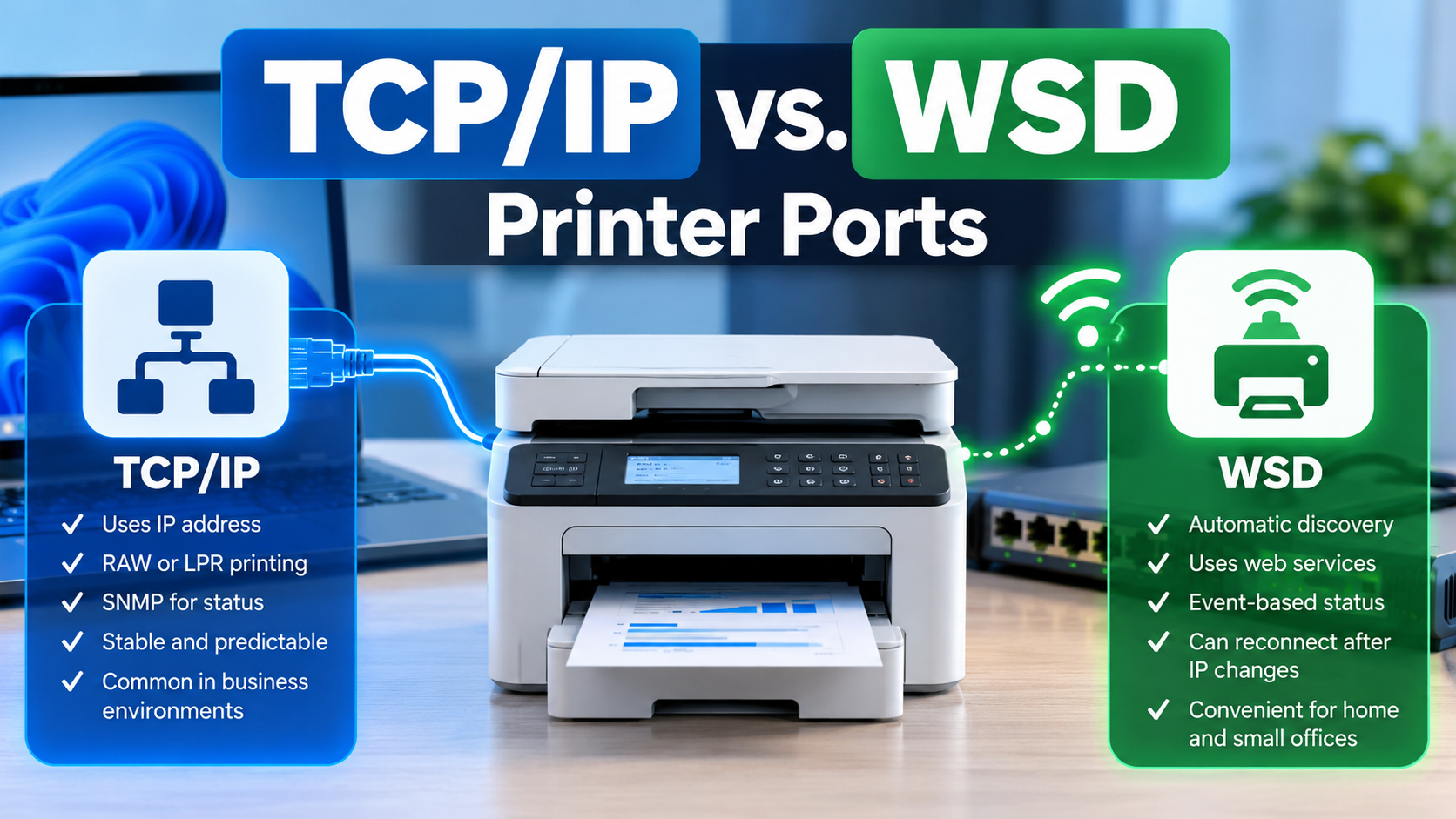
When installing a network printer in Windows, you may notice two different types of printer ports: Standard TCP/IP Port and WSD Port. Both allow a computer to communicate with a printer over a network, but they work differently when discovering printers, managing connections, sending print jobs, and reporting printer status. Understanding these differences can help […]
Troubleshoot and Fix the Microsoft Teams Meeting Add-in Missing in Outlook
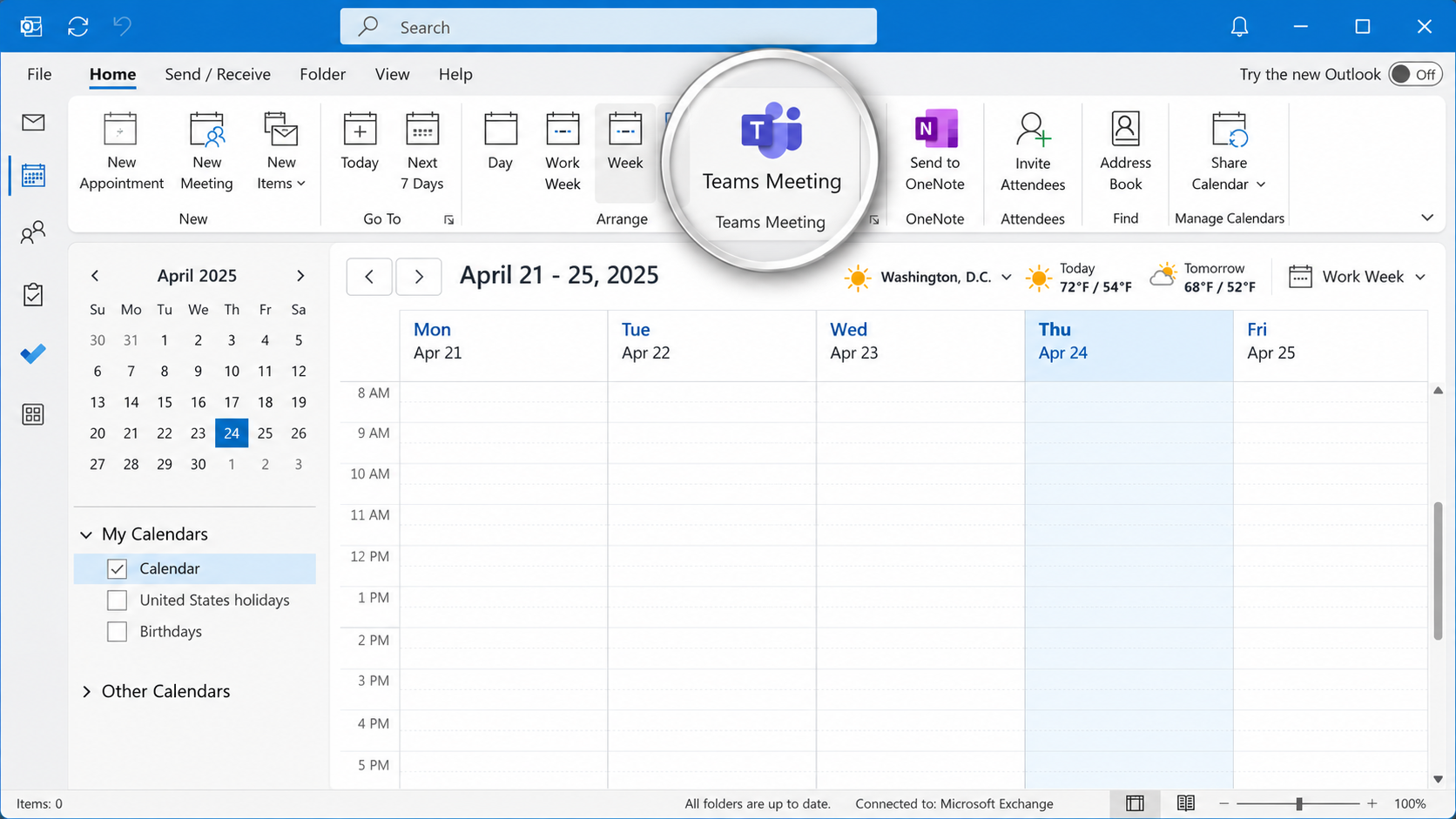
The Microsoft Teams Meeting add-in allows users to schedule and manage Teams meetings directly from Microsoft Outlook. However, the integration can occasionally stop working, causing the Teams Meeting button to disappear, become disabled, or fail to generate meeting invitations. These issues can occur following Microsoft Office updates, Teams upgrades, software installations, changes to Windows […]
Understanding Email Authentication Headers: SPF, DKIM, and DMARC Explained
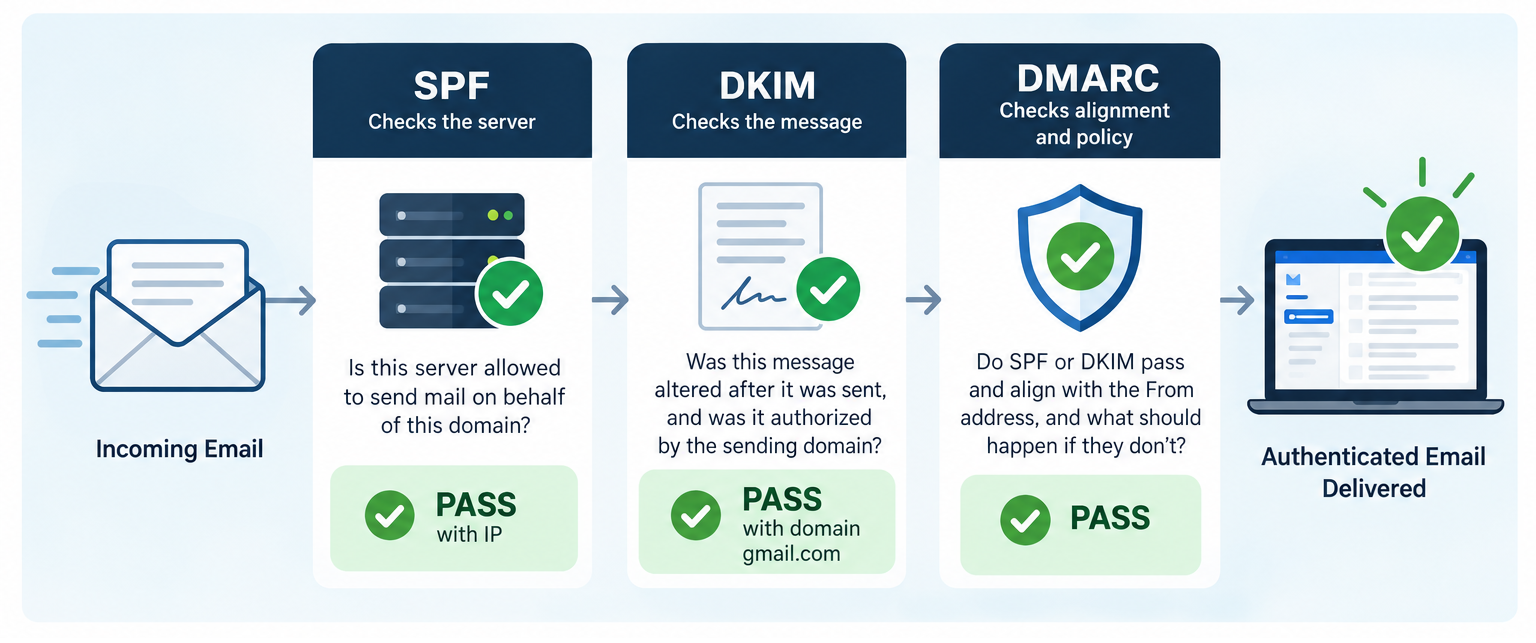
Email authentication plays an essential role in protecting against domain spoofing, phishing, and unauthorized email delivery. Three key standards, SPF (Sender Policy Framework), DKIM (DomainKeys Identified Mail), and DMARC (Domain-based Message Authentication, Reporting, and Conformance), work together to verify sending servers, validate message integrity, and confirm that authentication aligns with the sender’s domain. Understanding how […]
How to Temporarily Disable Cisco Duo Windows Logon for Emergency Recovery
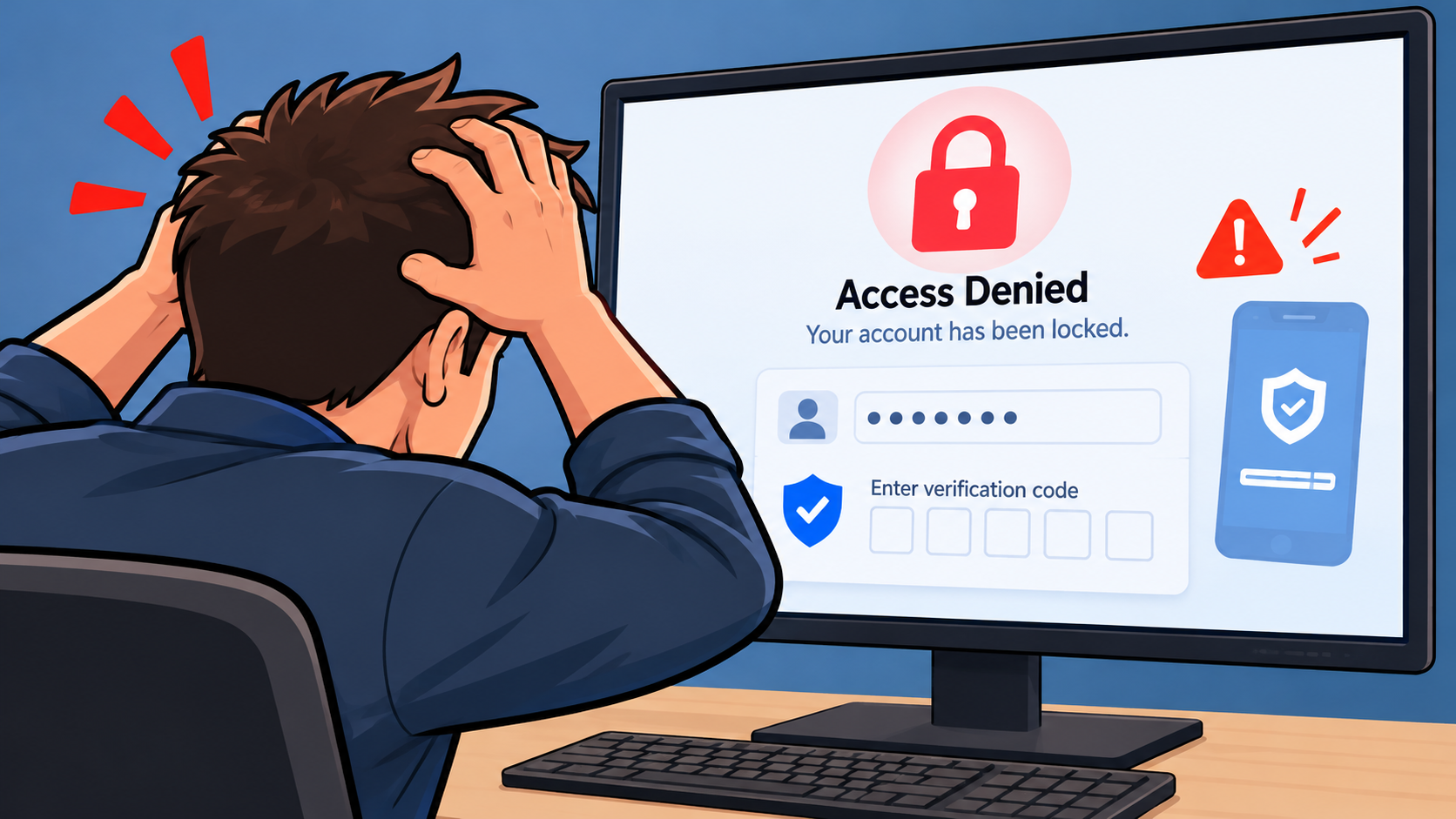
Cisco Duo is a multifactor authentication (MFA) solution that adds an additional layer of security to Windows computers by requiring users to verify their identity during the sign-in process. However, there are situations where Duo can prevent an IT technician from accessing a computer to resolve an underlying problem. For example, a laptop may lose […]
What to Look for When Hiring a Managed Service Provider (MSP): The Complete Business Guide

Choosing a Managed Service Provider (MSP) is not simply a matter of finding someone to fix computers when they break. The provider may be responsible for your network, servers, cybersecurity, Microsoft 365 environment, backups, business applications, employee accounts, and the technology your organization relies on every day. A well-managed MSP can reduce disruption, strengthen security, […]
The Hidden Cost of Rework – Do It Once, Do It Right

In any organization, time is one of the most valuable resources available. Yet a surprising amount of that time can be lost correcting mistakes, repeating tasks, and revisiting work that should have been completed correctly the first time. This is known as rework, and although it may seem like a minor inconvenience, its cumulative impact […]
Windows 11 Setting Precedence: Group Policy, Registry, Intune, and Local Settings
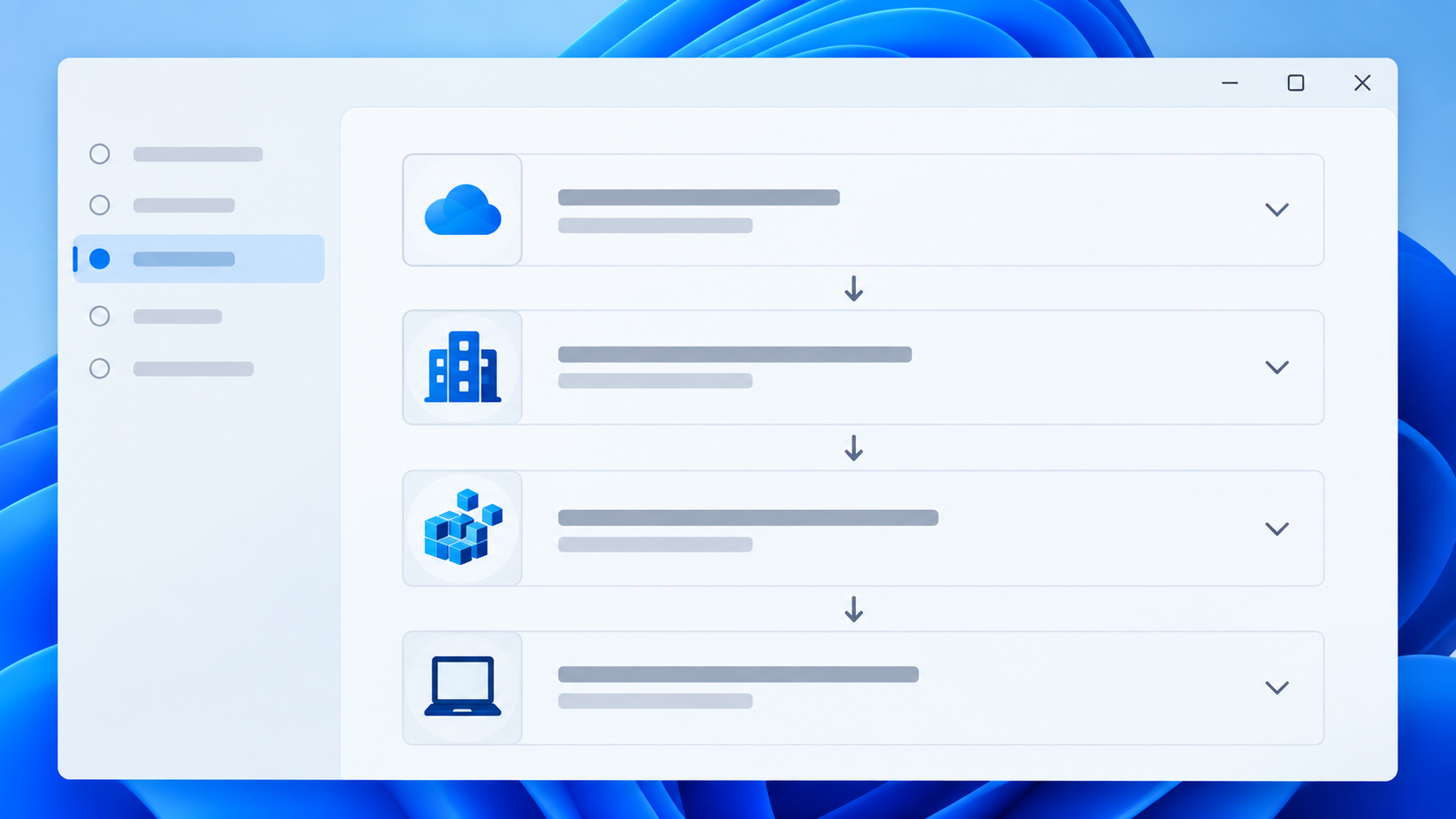
Windows settings can be configured through Active Directory Group Policy, Local Group Policy, Microsoft Intune, the Windows registry, PowerShell scripts, Windows Settings, application configuration tools, and other management systems. When two sources configure the same setting differently, the result depends on the type of setting and how Windows processes it. There is no single override […]
WSReset – What it is and How to Use it
wsreset.exe is a built-in Windows command-line utility used to clear the Microsoft Store cache and troubleshoot problems with the Microsoft Store. The executable is located in: C:\Windows\System32\wsreset.exe WSReset can be useful when the Microsoft Store experiences problems such as: The Microsoft Store will not open. Apps will not download. App downloads or updates become stuck. […]